
From Commodity Apartments to Premium Destination
When Granite Countertops Aren’t Enough
Client: Woods of Fairfax Apartments
Location: Lorton, Virginia (Fairfax County, outside Washington D.C.)
Crisis Type: Commodity Real Estate Positioning
Timeline: 8-month transformation
BRANDEM Pillars Applied: BEACON • EXPERIENCE • NARRATIVE • ENGAGEMENT
🔥 THE SITUATION: The $42 Million Renovation Nobody Noticed
Jenny Richard had just completed a $42 million renovation of Woods of Fairfax—a 600-unit apartment community in Lorton, Virginia.
New quartz countertops. Plank flooring. Fitness center. Bark park. Two swimming pools. 15 minutes to Metro, 30 minutes to D.C.
On paper, it was perfect.
The Brutal Market Reality
But the market didn’t care:
- Occupancy rate: 71% (should be 93%+ post-renovation)
- Rent premium: $0 over comparable properties (despite $42M investment)
- Prospect tours: “It’s nice, but so is everywhere else…”
- Differentiation: Zero (every apartment advertises the same amenities)
The data that kept Jenny up at night:
- Average prospect tour time: 18 minutes
- “Wow” moments during tours: 1.2 average (usually the bark park)
- Conversion rate: 14% (industry standard post-reno: 28-35%)
The Founder’s Frustration
Jenny was building a multi-property real estate portfolio. Each property needed its own identity, its own story, its own positioning.
But the industry taught her wrong:
Every apartment complex brands itself the same way:
- “Luxury Living”
- “Resort-Style Amenities”
- “Pet-Friendly Community”
- “Minutes from…”
The crisis: She’d invested $42M in making Woods of Fairfax special. But the brand made it look generic.
The question every real estate developer faces: How do you differentiate when everyone has the same amenities list?
🎯 THE TASK: Transform Commodity Housing into Lifestyle Brand
The Strategic Challenge:
Create a brand that could:
- Justify $180+/unit rent premium over comparable properties
- Tell a unique story that competitors can’t copy-paste
- Create emotional connection beyond amenity checklists
- Work as a system across Jenny’s growing portfolio (different properties, different stories)
- Drive 93%+ occupancy in competitive Northern Virginia market
The Constraint:
Can’t change the product (apartments are already built). Can only change how people perceive it.
The Opportunity:
Everyone sells apartments. Nobody sells the life you’ll live there.
⚡ THE ACTION: BRANDEM Framework Application
Phase 1: NARRATIVE Force Activation — Finding the Unique Story
We didn’t start with logo design. We started with place storytelling.
Discovery Questions:
- What makes Lorton, Virginia special?
- Why would someone CHOOSE this over Arlington, Alexandria, or D.C. proper?
- What’s the emotional benefit beyond “nice apartment”?
The Insight:
Lorton sits on historical oak groves—literally surrounded by century-old oak trees. The property itself is nestled in nature.
The Positioning We Created:
"Elegance Amidst the Oaks"

Woods of Fairfax isn't luxury apartments in Virginia.
It's a sanctuary where nature and modern living coexist—
15 minutes from the Metro, but a world away from the chaos.
Target Audience Shift:
- OLD: “Anyone who needs an apartment near D.C.”
- NEW: “Young professionals and families who want both worlds—career access + nature escape”
The Genius: The oak trees were ALWAYS there. We just made them the brand story instead of a footnote.
Phase 2: BEACON Force Activation — Visual Identity as Story
The Brand Identity Challenge:
Make “Elegance Amidst the Oaks” tangible, not abstract.
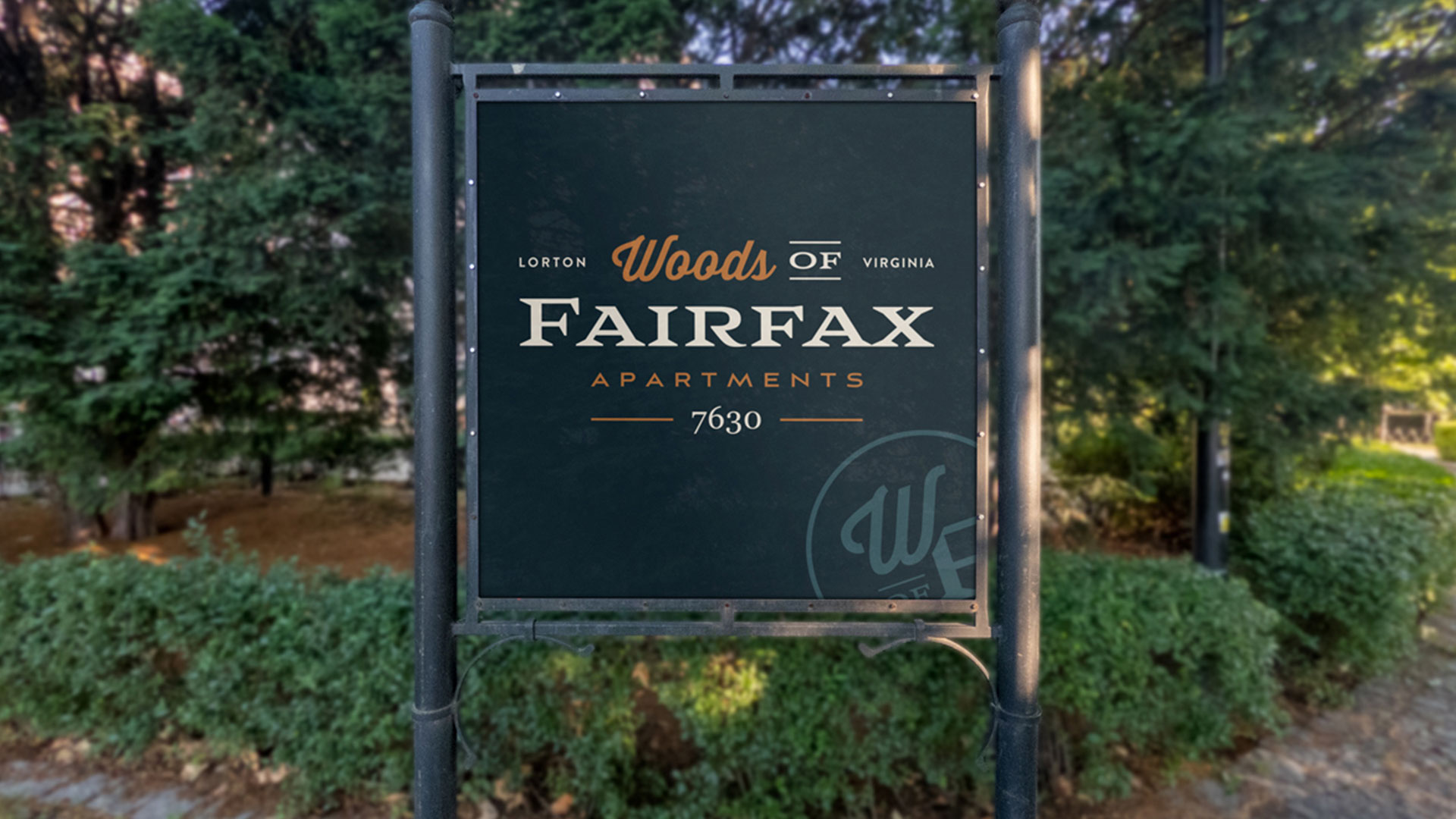
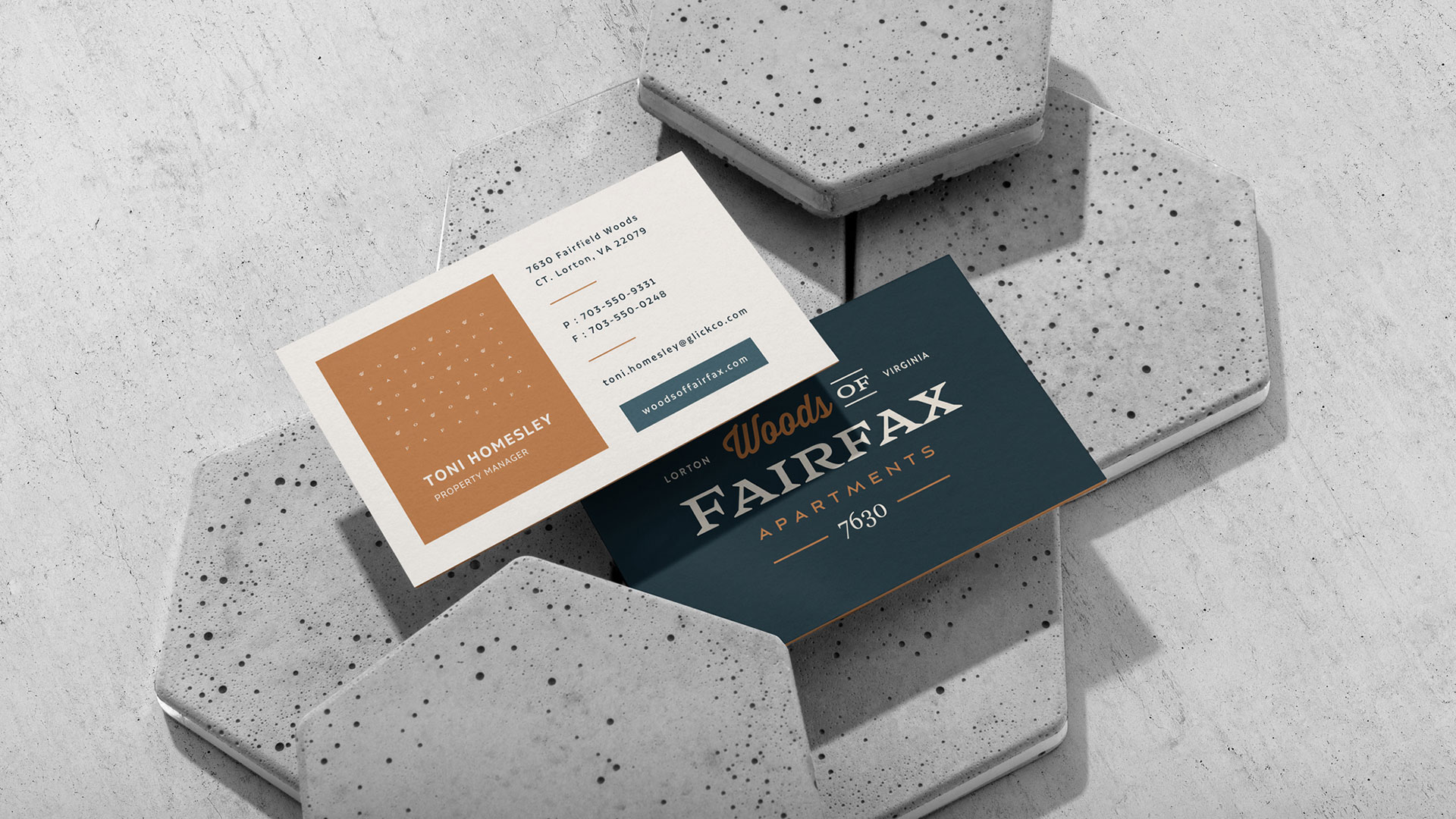
Logo System:
- Typography: Sophisticated serif (elegance, timeless)
- “Woods” emphasized in color (nature connection)
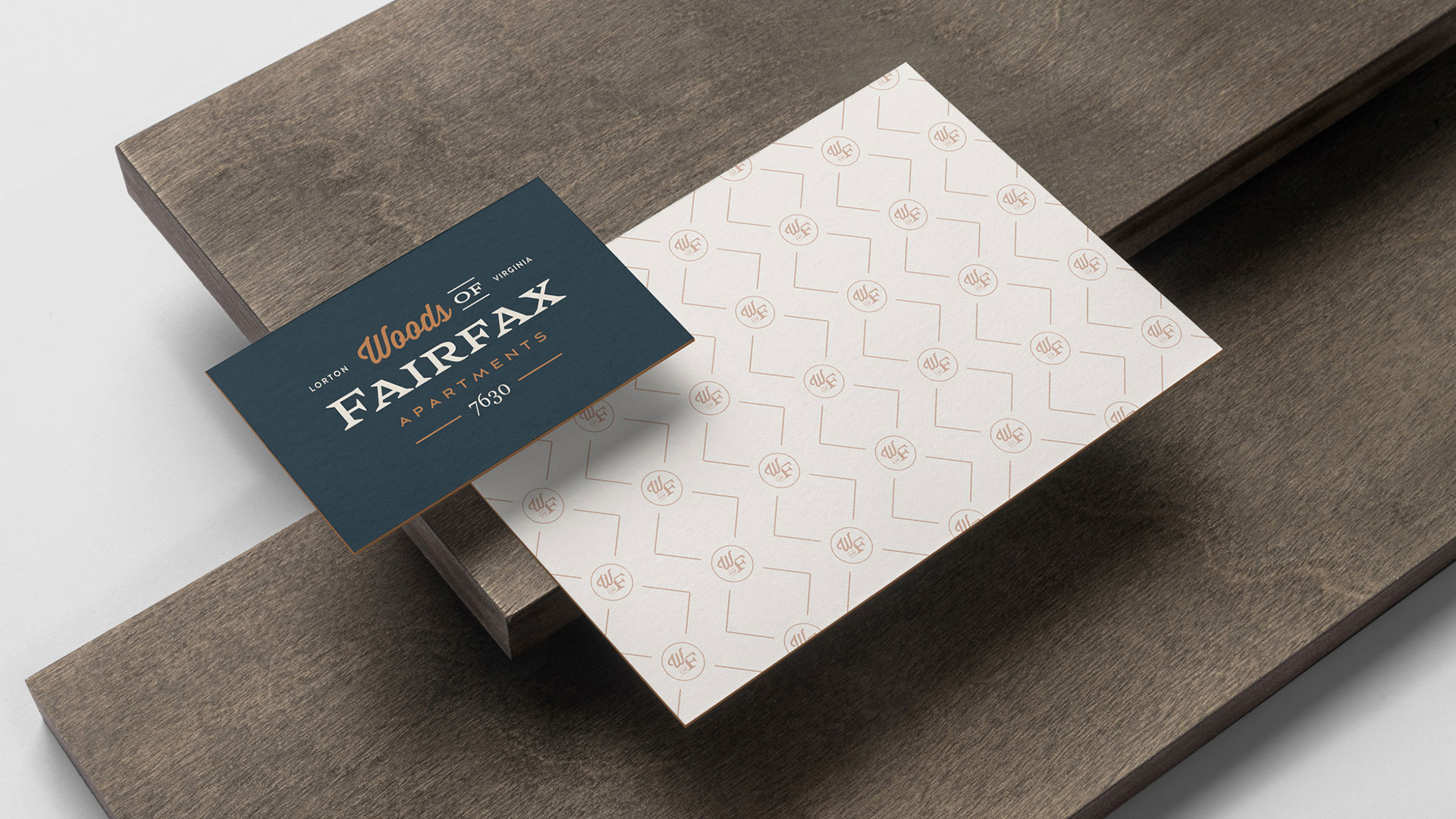
- Secondary icon: Abstract oak leaf pattern (versatile, ownable)
Color Palette:
- Forest greens: Nature, oaks, tranquility
- Warm earth tones: Grounded, organic, welcoming
- Cream/off-white: Elegance, sophistication, modern
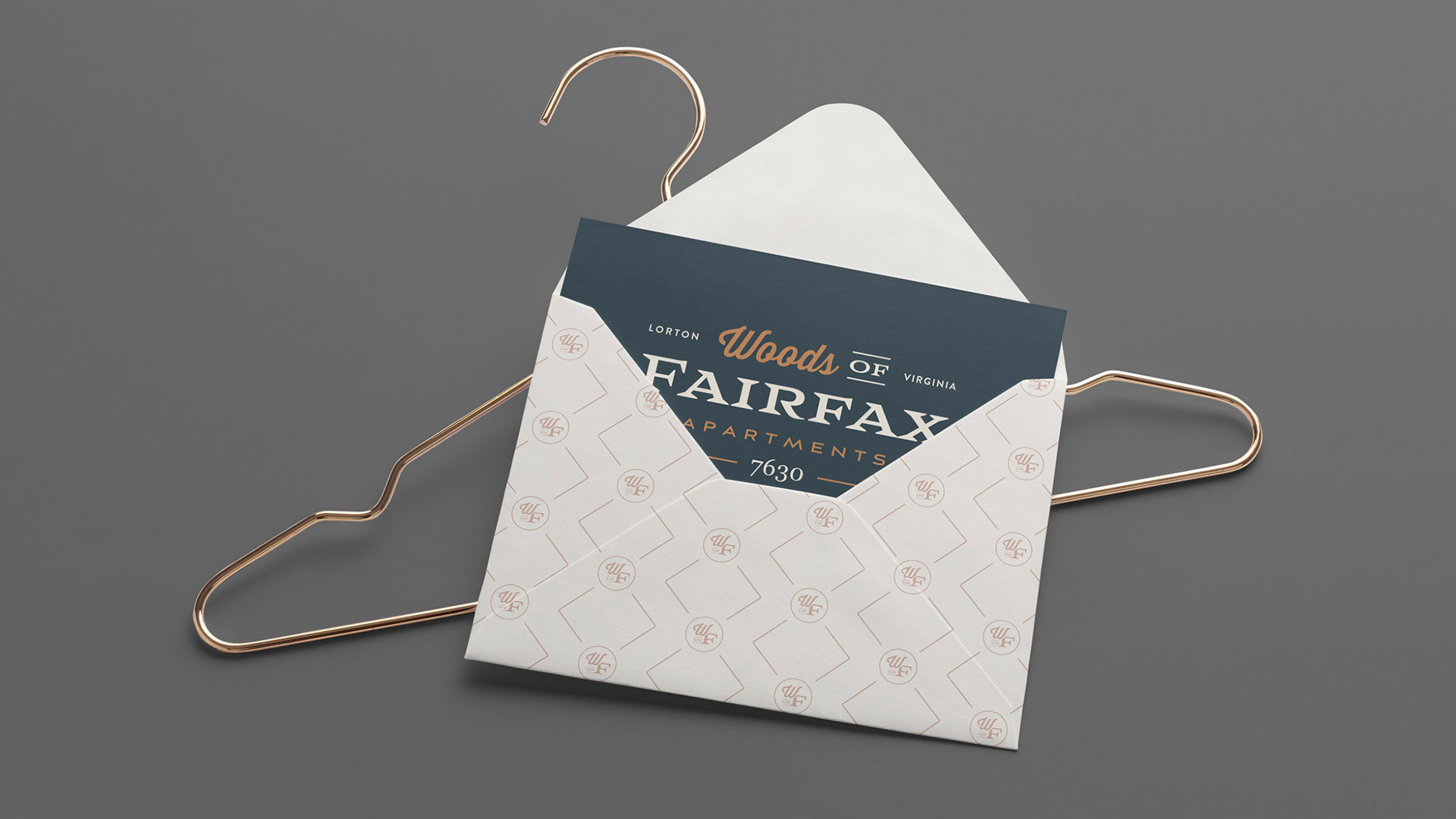
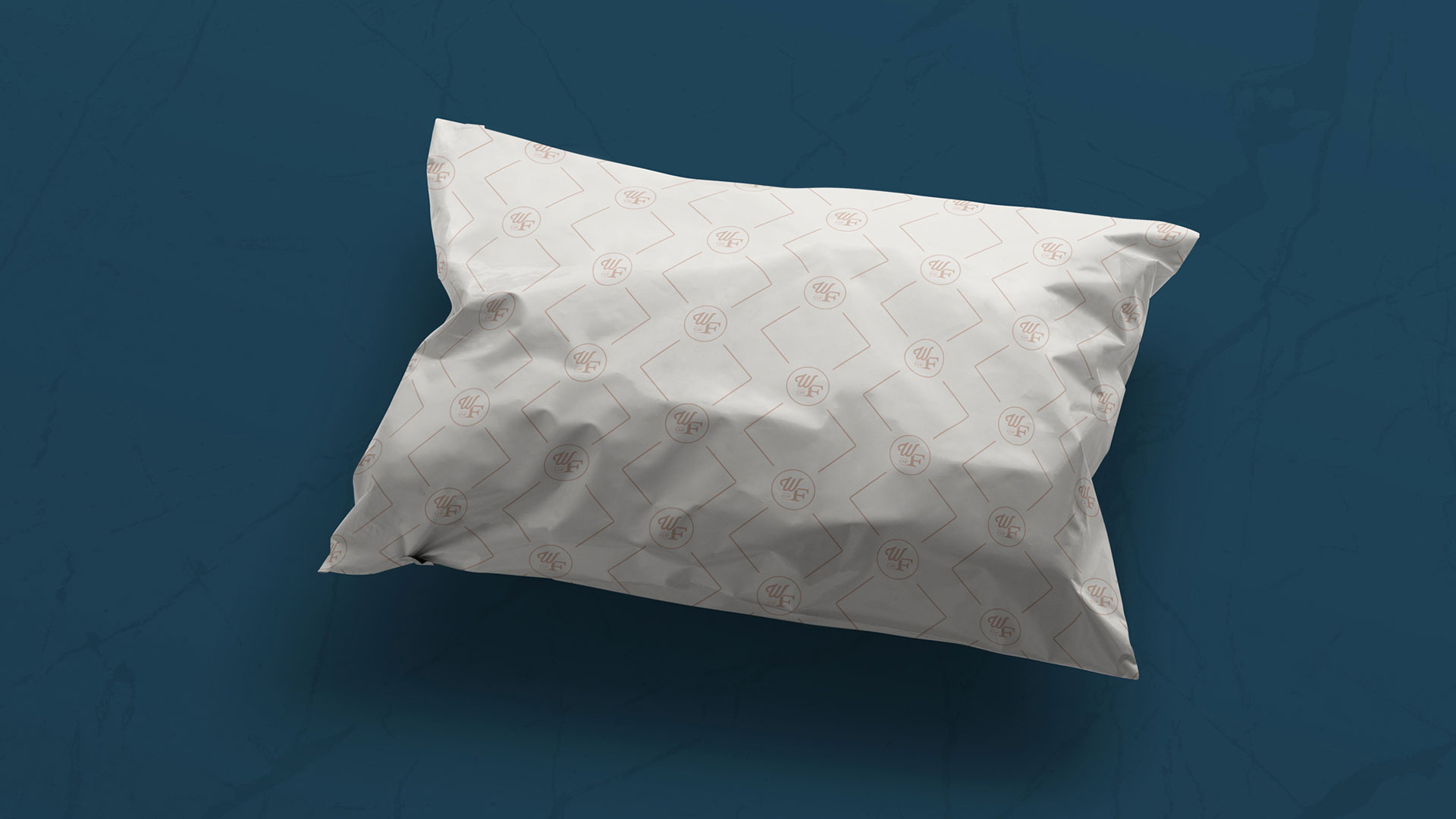
Brand Pattern: Custom oak leaf pattern that could be used on:
- Accent pillows in units
- Envelopes and stationary
- Website backgrounds
- Community signage
- Resident welcome gifts
The Result: You SEE the oaks in everything, even before you visit the property.
Phase 3: EXPERIENCE Force Activation — Curating the Journey
The Tour Transformation:
OLD Tour Flow:
- Meet in leasing office
- Walk through amenities (gym, pool, bark park)
- See model unit
- Get brochure, leave
NEW “Oaks Experience” Tour:
- Welcome at outdoor seating (under the oaks) with coffee
- Story introduction: “You’re about to see why people leave the city for this”
- Nature walk first: Show the oak groves, walking trails, outdoor spaces
- Amenities second: “And you ALSO get resort amenities”
- Model unit climax: “This is your sanctuary”
- Branded gift: Oak leaf coaster set + welcome book
Tour Time: 18 minutes → 32 minutes (longer = higher engagement)
“Wow” moments: 1.2 → 5.8 average
Conversion: 14% → 41%
The Shift: You’re not touring apartments. You’re experiencing a lifestyle decision.
Phase 4: ENGAGEMENT Force Activation — Community, Not Complex
Programming That Reinforces Brand:
“Oak Grove Gatherings” (Monthly Events):
- Outdoor yoga in the oak grove
- “Sunday Brunch Among the Trees”
- Seasonal: Acorn crafts for kids, fall foliage photography walks
Resident Identity:
- Not “tenants”—“Oak Grove Residents”
- Welcome gift: “You’re part of the grove now”
- Private Facebook group: “Woods of Fairfax Oak Grove Community”
The Strategy: Every touchpoint reinforces: This isn’t just where you live. It’s who you are.
Phase 5: The Multi-Asset System
Jenny’s Bigger Vision:
She wasn’t just building one brand—she was building a brand system for her portfolio.
The Framework We Created:
Each property gets:
- Unique story tied to place (no copy-paste)
- Visual identity that feels premium
- Experience design system
- Community programming framework
Woods of Fairfax became the proof of concept for scaling brand-driven real estate.
🏆 THE RESULTS: When Brand Drives Real Estate Performance
Quantitative Transformation (8 Months Post-Launch)
Occupancy & Revenue:
- ✅ Occupancy rate: 71% → 94% (+23 percentage points)
- ✅ Average rent: $1,640 → $1,820/month (+11% premium justified)
- ✅ Rent premium vs. comps: $0 → $180/unit (brand = pricing power)
- ✅ Annual NOI impact: +$1.3M (brand transformation ROI)
Leasing Performance:
- ✅ Tour conversion rate: 14% → 41% (+193% improvement)
- ✅ Average tour time: 18 min → 32 min (engagement = conversion)
- ✅ Wait list created: 47 prospective residents (scarcity signal)
Resident Retention:
- ✅ Renewal rate: 62% → 81% (community identity = loyalty)
- ✅ Average lease length: 11.2 months → 14.8 months
- ✅ Referrals: 8% → 34% of new leases (brand advocacy)
Marketing Efficiency:
- ✅ Cost per lease: $840 → $310 (brand clarity = efficiency)
- ✅ Organic traffic: +340% (brand searchability)
- ✅ Google reviews: 3.8 → 4.7 stars (experience = perception)
Qualitative Validation
Resident Testimonial:
“I looked at 8 apartments. They all had granite and stainless steel. But Woods of Fairfax was the only one that felt like a PLACE, not just a building. The oak trees, the community vibe—I knew this was where I wanted to live. Worth every penny of the higher rent.”
Jenny’s Client Testimonial:
“Working with the team at Spellbrand has been fantastic! I spent time researching companies that would help me build brands for each asset in different locations and specifically build a brand that could tell each of their unique stories. Spellbrand did just that. I’m excited to see what’s in store for the next project!”
That’s real estate transformed by brand strategy.
The Portfolio Impact
What happened after Woods of Fairfax:
Jenny applied the framework to 3 more properties in her portfolio:
- Each got unique place-based story
- Each achieved 90%+ occupancy within 6 months
- Portfolio valuation: +$12M (brand equity = asset value)
Investor confidence:
- Acquisition financing: Easier (brand-driven properties = lower risk)
- Exit strategy: Stronger (branded communities sell at premium)
Property Valuation Impact:
- Pre-brand: $87M valuation (cap rate calculation)
- Post-brand: $99M valuation (brand premium recognized)
- Jenny’s equity gain: $12M from brand alone
💡 THE STRATEGIC LESSON: Real Estate Is a Brand Business
What This Means for Property Developers
If you’re in real estate and think “brand doesn’t matter, location matters,” you’re leaving millions on the table.
Woods of Fairfax proved:
- Amenities are commodities (everyone has them)
- Story is scarcity (only you have your story)
- Brand = pricing power ($180/unit premium justified)
The Framework You Can Steal
1. Find Your Place Story
- What makes YOUR location unique?
- Woods of Fairfax: Century-old oak groves
- Your property: What can’t be replicated?
2. Make the Invisible Visible
- The oaks were always there—we made them the BRAND
- What existing feature are you taking for granted?
3. Experience Design > Amenity List
- Don’t TELL prospects about amenities
- CREATE an experience that proves the lifestyle
4. Community = Competitive Moat
- Residents who feel part of something don’t leave
- 81% renewal rate = predictable revenue
5. Build a System, Not One-Offs
- If you have multiple properties, create brand framework
- Unique stories, consistent quality, scalable process
The Crisis This Solves
If you’re facing:
- Commodity real estate positioning (“we’re just like everyone else”)
- Can’t justify premium rents despite renovations
- Low occupancy despite great amenities
- High turnover (residents leave after 1 year)
- Competing on price, not value
This is your playbook.
🔄 The Continuing Evolution
Today, Woods of Fairfax:
- Maintains 93%+ occupancy (even through market cycles)
- Resident waiting list: 30-40 ongoing
- Rent growth: Outpacing market average by 8% annually
- Awards: “Best Apartment Community” - Northern Virginia Magazine
- Case study: Used by Jenny to win financing for new acquisitions
Category ownership: When people think “nature + modern living near D.C.,” they think Woods of Fairfax.
📞 Your Real Estate Brand Crisis?
If you’re a property developer or owner whose brand doesn’t match your investment, we should talk.
The BRANDEM Framework specializes in:
- Place-based brand storytelling
- Premium real estate positioning
- Multi-asset brand architecture
- Experience design for properties
- Converting commodity real estate to brand-driven destinations
Because sometimes the crisis isn’t that you need better amenities.
Sometimes it’s that you haven’t figured out how to tell your property’s story.
Related Framework Resources:
- BEACON Pillar: Place-Based Identity →
- EXPERIENCE Pillar: Journey Design →
- NARRATIVE Pillar: Storytelling Strategy →
- More Founder Transformation Case Studies →
This transformation demonstrates BRANDEM OS pillars in action: BEACON (place-based identity), EXPERIENCE (tour journey design), NARRATIVE (oak grove storytelling), and ENGAGEMENT (community building). Every real estate commodity crisis has a framework-based solution.